
Signs It’s Time to Seal Your Asphalt Surface
Noticing cracks, fading color, or water pooling can indicate it’s time to seal your asphalt surface, and local contractors can help protect and extend its lifespan.
If your asphalt surface is showing signs of aging or wear, it might be time to consider sealing it to protect its integrity and appearance. Property owners in the area often notice issues like fading color, small cracks, or surface roughness, which can indicate that the asphalt needs some care. Recognizing these signs early can help prevent more extensive damage and costly repairs down the line. Local contractors who specialize in asphalt surface sealing are equipped to assess your surface’s condition and recommend appropriate solutions, ensuring your property remains safe and visually appealing.
Keeping an eye out for common indicators such as surface cracks, pooling water, or the emergence of minor potholes can be practical ways to determine if sealing is needed. These issues often result from exposure to the elements and regular use, but they can be mitigated with professional sealing services. Engaging with experienced service providers in the area can help maintain the longevity of your asphalt surface and preserve its value. As you explore your options, understanding these signs and connecting with local experts can make the process of protecting your investment straightforward and effective.
- Asphalt driveway maintenance - signs it’s time to seal your asphalt surface include visible cracks or fading that indicate the surface is losing protection, and local contractors can assess and restore it effectively. Parking lot surfaces - when surfaces develop surface oxidation or minor surface raveling, local service providers can apply sealing to extend their lifespan. Commercial paving areas - if asphalt appears dull or shows signs of surface wear, local pros can recommend sealing to prevent further damage. Residential pathways - visible oil stains or water pooling may signal the need for sealing, with local contractors offering solutions to preserve the surface.
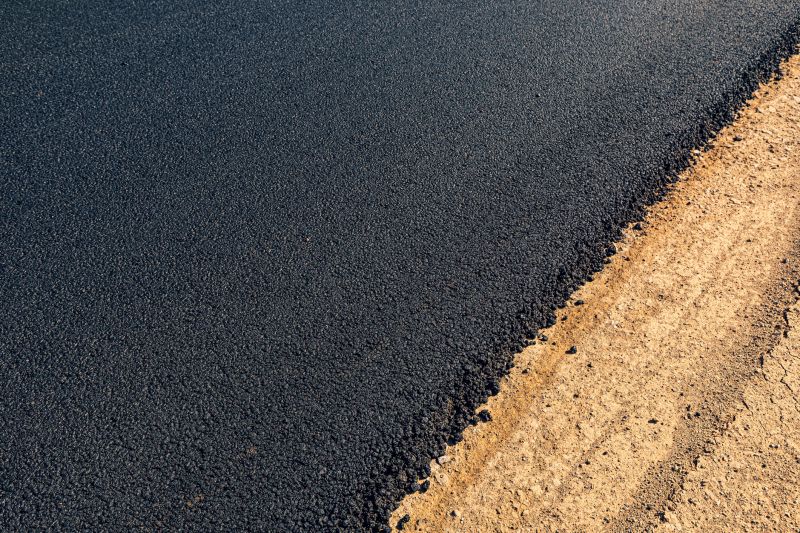
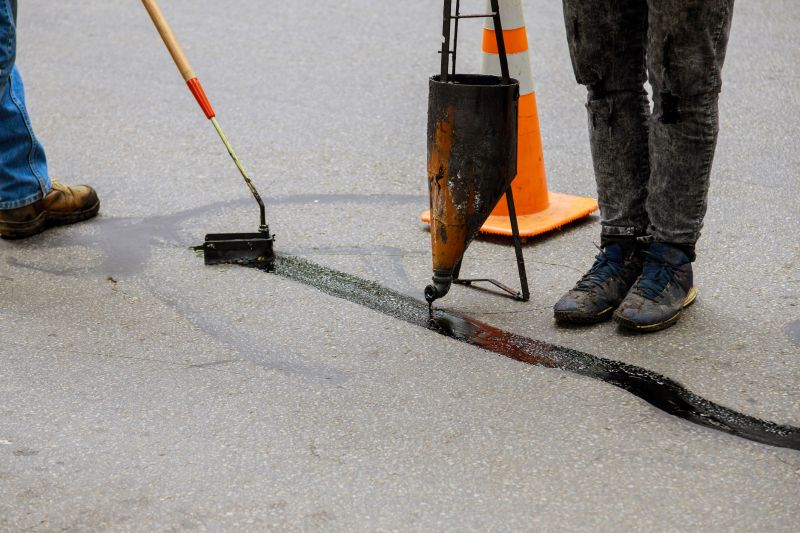
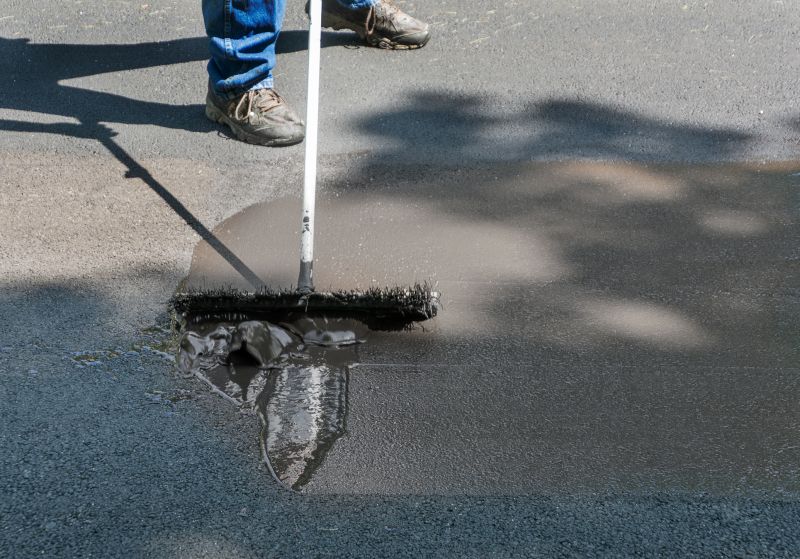
When searching for signs it’s time to seal your asphalt surface, homeowners are typically looking for practical indicators that their driveway, parking lot, or other paved areas need maintenance. Over time, asphalt can develop surface wear that diminishes its appearance and durability. Common concerns include the presence of visible cracks, fading color, and surface roughness. Recognizing these signs early can help property owners prevent more extensive damage, such as potholes or structural deterioration, which can be costly to repair. Local contractors who specialize in asphalt sealing can assess these issues and recommend the appropriate timing for sealing, ensuring the surface remains protected and visually appealing.
The signs it’s time to seal an asphalt surface are often linked to the ongoing effects of weather and regular use. For example, exposure to sunlight, moisture, and temperature fluctuations can cause the asphalt to lose its natural shine and develop a dull, faded look. Cracks that appear on the surface may indicate that the asphalt is becoming brittle and vulnerable to water infiltration, which can lead to further deterioration. Additionally, small surface imperfections like oil stains or surface oxidation can signal that the asphalt’s protective layer is weakening. These problems are common on driveways and parking areas that see frequent vehicle traffic or are exposed to the elements, prompting homeowners to seek professional sealing services to restore and preserve their surfaces.
Properties that typically come up in discussions about sealing asphalt include residential driveways, commercial parking lots, and community pathways. Driveways are often the first to show signs of wear, especially in regions with harsh weather conditions. Commercial parking lots, which endure constant vehicle movement, are also prone to surface cracks and fading that can impact safety and curb appeal. Additionally, shared pathways in apartment complexes or recreational areas may require sealing to prevent trip hazards and extend their lifespan. Local service providers understand the specific needs of these property types and can recommend sealing schedules tailored to each surface’s usage and exposure, helping property owners maintain a safe and attractive environment.
Understanding when to seal an asphalt surface involves observing visible and physical signs that indicate the surface’s protective layer is compromised. Fading color, surface cracking, and the appearance of small potholes are common signals that sealing may be needed soon. Other signs include the presence of water pooling after rain, which suggests that the surface’s ability to repel moisture is decreasing. Homeowners and property managers should also consider the age of the asphalt-surfaces that are several years old often benefit from sealing to renew their protective barrier. Engaging with experienced local contractors can provide a professional assessment of these signs and determine the best time for sealing, helping to extend the life of the asphalt and maintain its appearance.
Paving Repair Projects - These projects involve fixing cracks and potholes in asphalt surfaces, requiring similar planning and surface preparation skills as sealing to ensure longevity.
Driveway Resurfacing Services - Resurfacing involves applying new layers over existing asphalt, which shares techniques and surface assessment strategies with sealing work.
Parking Lot Maintenance - Maintaining commercial parking lots includes sealing and crack filling, making it relevant for those interested in preserving asphalt surfaces.
Asphalt Crack Filling - Filling cracks is a preparatory step for sealing, and local contractors specializing in this service understand the signs indicating sealing is needed.
Sealcoating Projects - Similar in process to asphalt sealing, sealcoating projects focus on protecting and extending the life of asphalt surfaces.
Surface Preparation Services - These services involve cleaning and priming surfaces before sealing, requiring similar tools and planning as sealing asphalt surfaces.
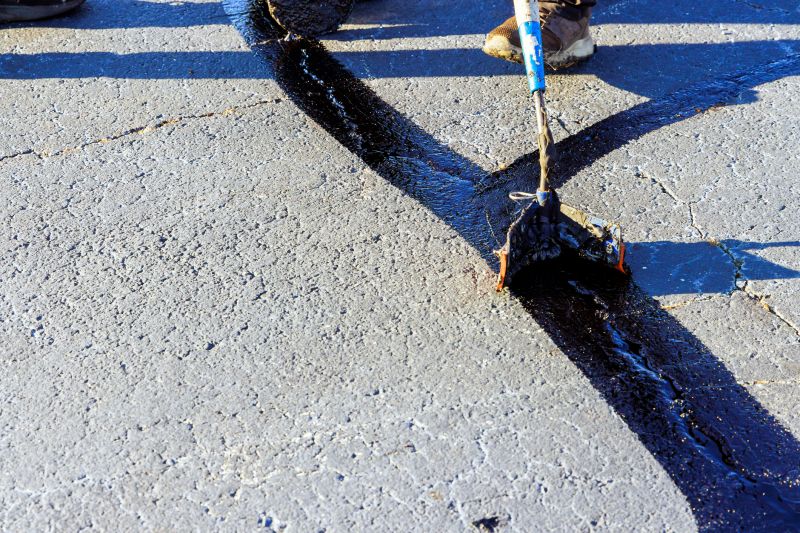
When comparing local contractors for asphalt surface sealing, it is important to assess their experience with similar projects. Homeowners should inquire about the types of surfaces they have worked on and the specific conditions they have handled, such as driveways, parking lots, or walkways. A contractor with a history of successful seal coating on comparable surfaces is more likely to understand the unique needs of each project and deliver quality results. Additionally, requesting clear, written expectations can help ensure that both parties are aligned on the scope of work, materials used, and the desired outcome, reducing misunderstandings and ensuring transparency throughout the process.
Reputable references and reviews can serve as valuable indicators of a contractor’s reliability and quality of work. Homeowners are encouraged to seek out feedback from previous clients or to look for testimonials that highlight consistent performance and professionalism. Connecting with past customers can provide insights into the contractor’s ability to complete projects on time, communicate effectively, and meet expectations. It’s also beneficial to verify that the service provider maintains a good reputation within the local community, which often reflects their commitment to customer satisfaction and quality standards.
Effective communication is a key factor when choosing a local contractor for asphalt sealing services. Homeowners should prioritize service providers who are responsive, clear, and willing to answer questions throughout the process. Good communication helps ensure that expectations are understood and that any concerns are addressed promptly. A contractor who keeps clients informed about the progress and explains the work involved can foster a smoother experience and help homeowners feel more confident in the decision to move forward with sealing their asphalt surface.
Property owners often search for signs it’s time to seal your asphalt surface when they are planning practical projects around their homes and businesses. Local pros provide Asphalt Surface Sealing services for everyday jobs and straightforward project options.
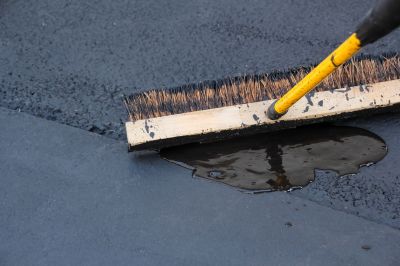
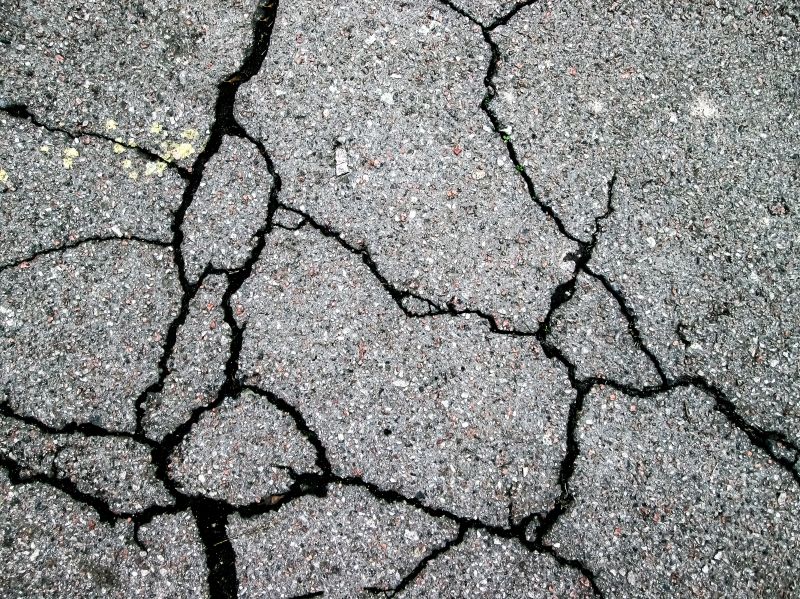
Property owners may notice cracks or surface wear developing on their asphalt driveways or parking lots, which can be signs it’s time to seal the surface. When asphalt begins to show signs of aging, such as fading color or small fissures, sealing can help protect it from further damage caused by water infiltration and temperature changes. Local contractors experienced in asphalt sealing can assess the condition of the surface and determine if sealing is necessary to extend its lifespan and maintain a smooth, appealing appearance.
Another common indicator is the presence of oil stains or fading that diminishes the overall look of the asphalt. These issues may not seem urgent at first but can lead to more significant deterioration if left unaddressed. Property owners considering asphalt surface sealing services in the area often seek out local service providers who can help restore and preserve the integrity of their surfaces. Regular sealing can serve as a proactive step in maintaining a durable and attractive asphalt surface over time.
What are common signs that indicate it’s time to seal an asphalt surface? Visible cracks, fading color, and surface erosion are typical signs that asphalt may need sealing to protect and restore its condition.
How can I tell if my asphalt surface has become too worn for sealing? If the surface shows extensive cracking, potholes, or loose aggregate, it might be too damaged for sealing and could require repairs beforehand.
Are there specific weather conditions that suggest it’s the right time to seal asphalt? Ideal conditions include dry, warm weather with low humidity, as sealing during unsuitable weather can affect the effectiveness and longevity of the seal.
What role do surface stains or oil spots play in deciding when to seal asphalt? The presence of stains or oil spots can indicate that the surface is losing its protective layer, making sealing a good step to prevent further damage.
How do surface color changes help identify the need for sealing? Fading or a dull appearance often signals that the asphalt’s protective seal has worn off, and sealing can help restore its appearance and durability.
Visible surface cracks - When cracks start to appear on your asphalt surface, it’s a clear sign that sealing can help prevent further damage and deterioration.
Fading or discoloration - Noticeable loss of color or dullness indicates the asphalt may need sealing to restore its appearance and protect it from the elements.
Pooling water or uneven surfaces - Water pooling or noticeable dips suggest the surface’s protective layer is compromised, and sealing can improve drainage and surface integrity.
Frequent oil or chemical spills - Regular spills can weaken asphalt over time, making sealing an effective way for local contractors to extend the surface’s lifespan.
If you are thinking about signs it’s time to seal your asphalt surface for a property, this guide is meant to help you understand this topic, the typical project types, and how different options might fit your plans.
When you are ready, you can use the quote form on this page to share a few details about your project. From there, local pros can review the basics and follow up with options that match what you have in mind.